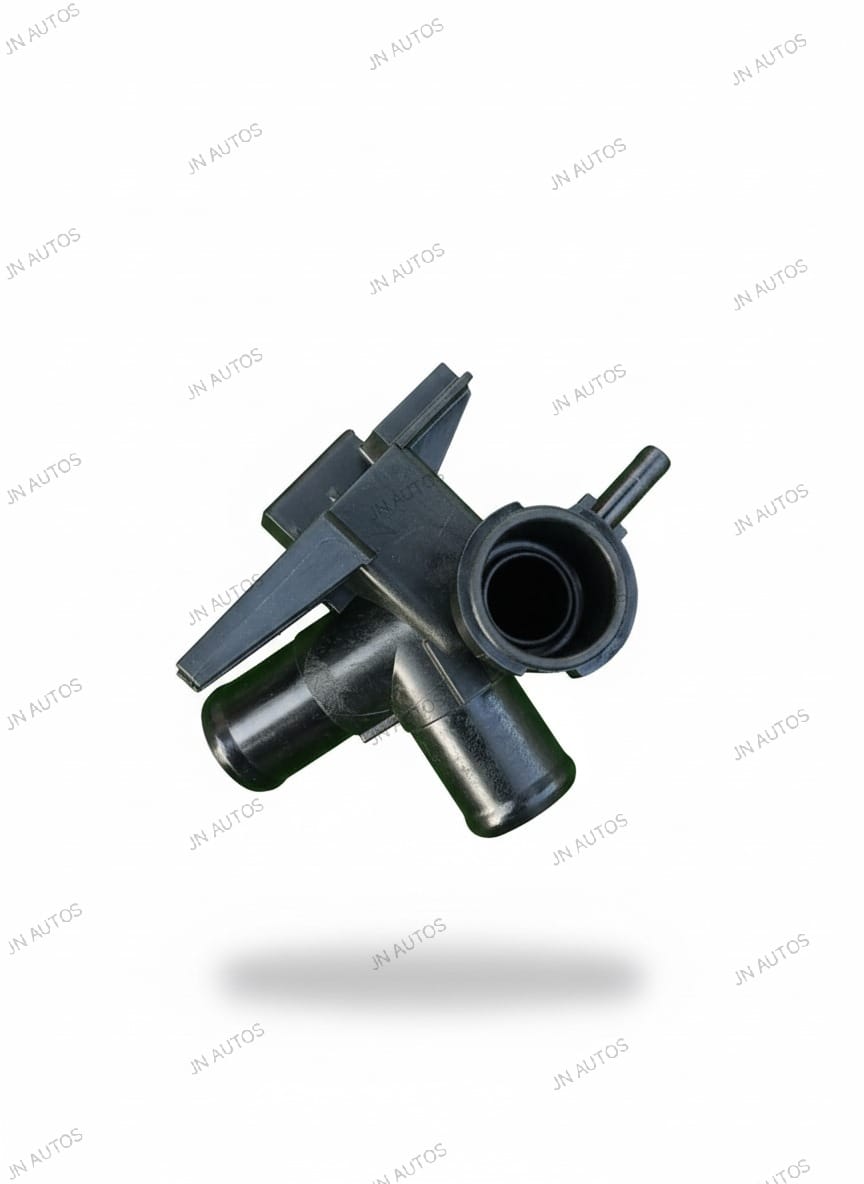
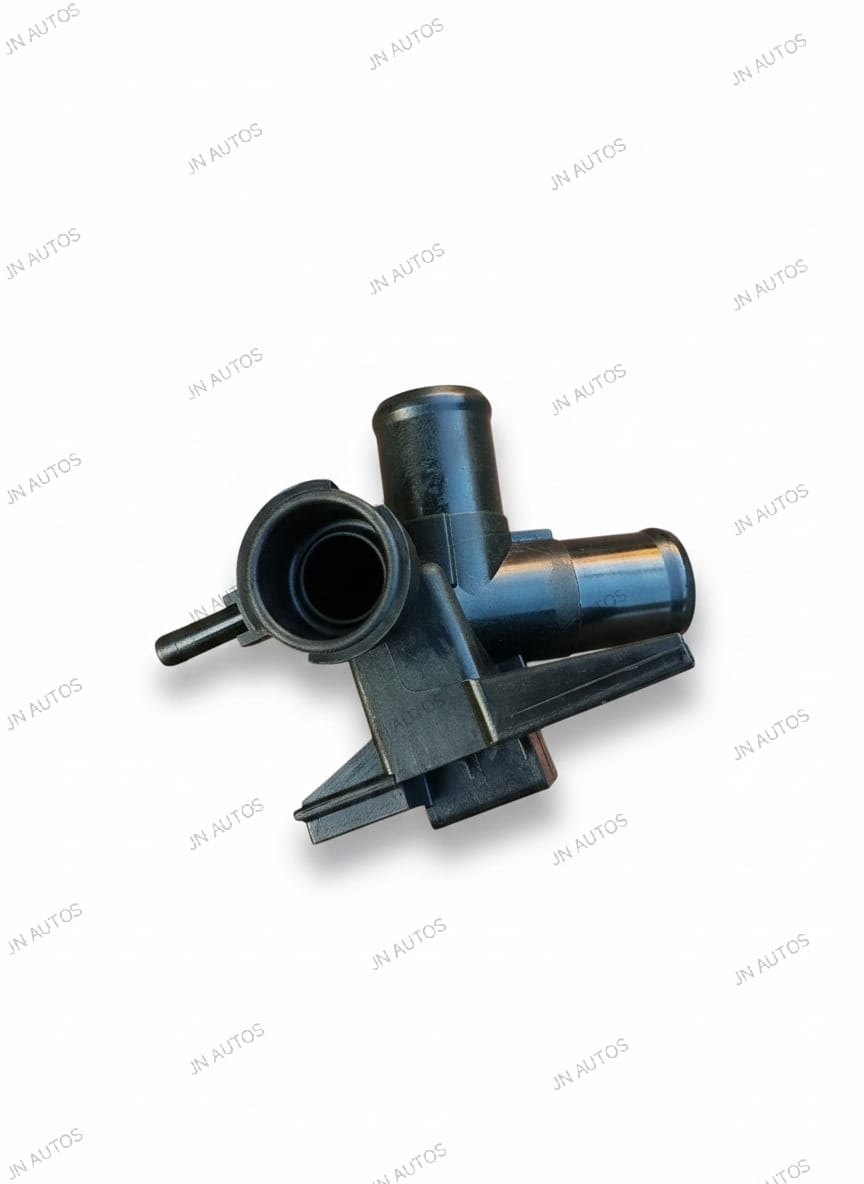
Radiator Filler Neck for Hyundai Elantra (2011–2018 Models)
Maintain your vehicle’s cooling efficiency with this high-quality replacement radiator filler neck. Specifically engineered for the Hyundai Elantra (2011–2018), this part is essential for ensuring your engine stays cool under pressure and avoids the heavy costs associated with overheating.
Product Overview
The radiator filler neck is a critical gateway for your car’s cooling system. It serves as the housing for your radiator cap and the connection point for coolant distribution.
-
Vehicle Compatibility: Hyundai Elantra
-
Model Years: 2011, 2012, 2013, 2014, 2015, 2016, 2017, 2018
-
Material: High-grade, heat-resistant reinforced composite designed to withstand constant thermal cycling without warping or cracking.
Where is it located?
The radiator neck is located at the top of the radiator assembly within the engine bay. It sits between the main radiator body and the upper radiator hose, typically accessible right under the hood for easy maintenance and coolant checks.
Work in the Car (Function)
-
Coolant Entry: It acts as the primary port for adding or flushing engine coolant.
-
Pressure Regulation: It provides a precise sealing seat for the radiator cap, allowing the system to maintain the high pressure needed to raise the coolant’s boiling point.
-
Expansion Management: It features an overflow port that directs excess hot coolant to the expansion tank and draws it back in as the engine cools down, preventing air pockets.
Key Benefits
-
Reliable Cooling: By maintaining a perfect seal, it ensures the cooling system operates at peak pressure, protecting your engine from overheating.
-
Durable Construction: Built to replace original plastic necks that often become brittle and leak over time due to engine heat.
-
Perfect Fitment: Engineered to OEM standards, ensuring a “plug-and-play” installation with no modifications required.
-
Cost Savings: Replacing a damaged neck is significantly more affordable than replacing the entire radiator unit.
Common Signs You Need a Replacement
-
Coolant leaks or “crusty” residue around the radiator cap area.
-
Visible cracks in the plastic housing.
-
Engine temperature gauge rising higher than normal.
-
Radiator cap failing to lock securely in place.