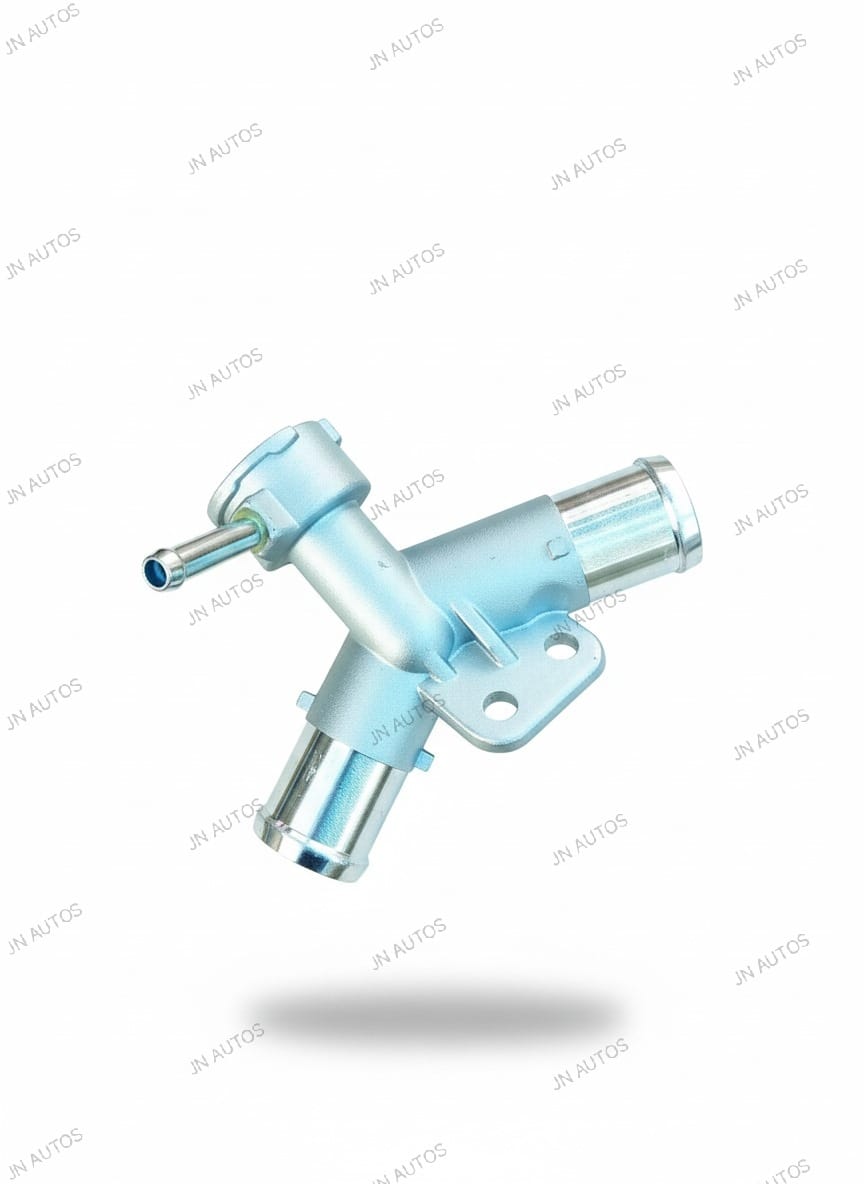
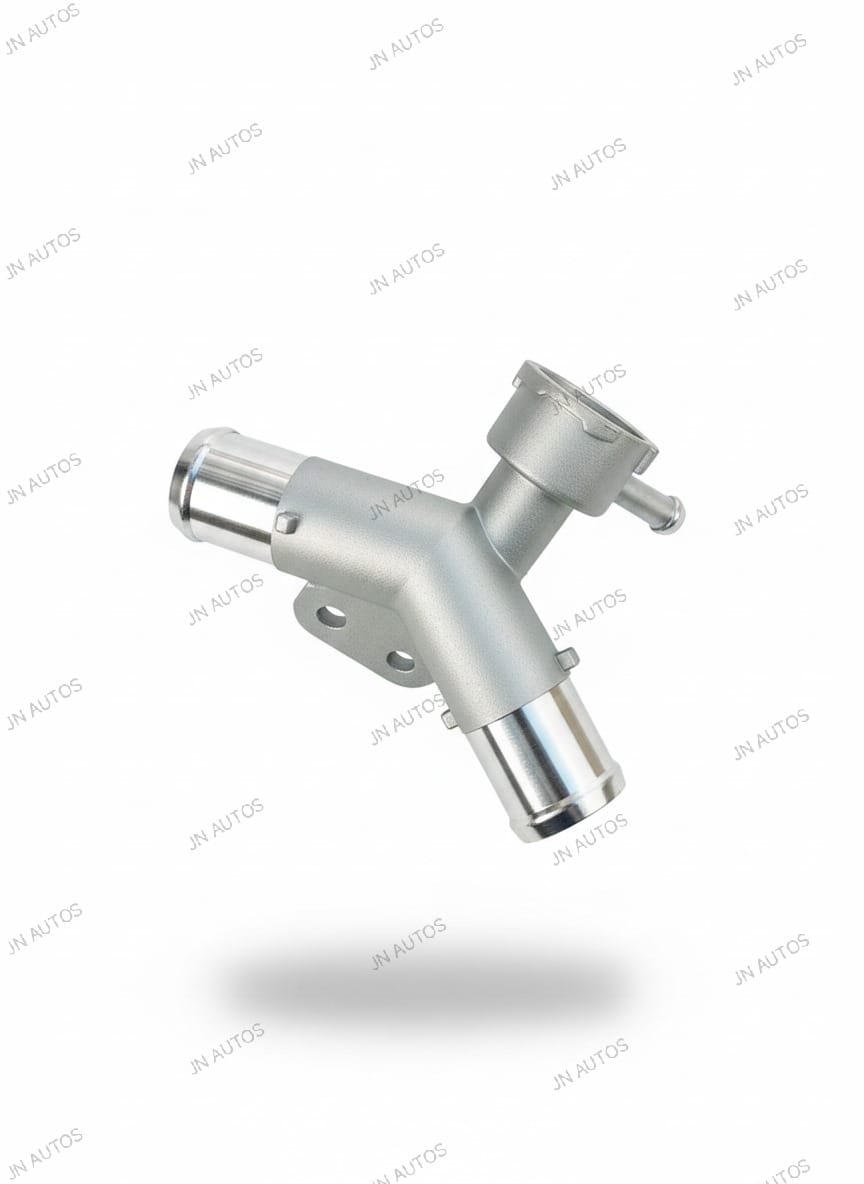
Ensure your vehicle’s cooling system remains in peak condition with this high-quality replacement radiator filler neck. Specifically engineered for the Toyota Belta and Toyota Vitz, this component is essential for maintaining engine health and preventing costly repairs due to overheating.
Product Overview
The radiator filler neck is a vital component that serves as the entry point for your engine’s coolant and the mounting seat for the radiator cap.
-
Vehicle Compatibility: Toyota Belta & Toyota Vitz
-
Design: Precision-molded to meet OEM specifications for a seamless, leak-proof fit
-
Durability: Manufactured from heat-resistant, reinforced materials to withstand the high-pressure environment of your car’s cooling system
Where is it located?
The radiator neck is located at the top of the radiator assembly within the engine bay. It connects the main body of the radiator to the upper radiator hose and features a small overflow port that leads to the coolant expansion (reservoir) tank.
Work in the Car (Function)
-
Coolant Access: It provides the primary opening for filling and flushing the radiator with coolant/antifreeze.
-
Pressure Management: It provides the sealing surface for the radiator cap. This allows the system to build pressure, which increases the boiling point of the coolant, allowing the engine to run hotter without the fluid turning to steam.
-
Coolant Recovery: The integrated overflow port allows excess coolant to move safely to the reservoir tank as it expands from heat and draws it back in as the engine cools down.
Key Benefits
-
Engine Protection: Prevents overheating by ensuring the cooling system remains pressurized and airtight.
-
Leak Prevention: Replaces old, brittle, or cracked plastic necks that are common causes of mystery coolant leaks.
-
Exact Fit: Designed specifically for Belta and Vitz models, meaning no modifications are required for installation.
-
Cost-Effective: A smart alternative to replacing the entire radiator when only the filler neck is damaged.
Signs for Replacement
-
Coolant leaking from under the radiator cap.
-
Cracks or visible wear on the plastic housing.
-
The radiator cap no longer locks tightly into place.
-
Frequent “Low Coolant” warnings or engine temperature spikes.